Respond, Don't React: Setting Internal SLAs for a Calm Team
Internal SLAs provide the certainty teams need to stop obsessive Slack checking and move back to deep, meaningful work.
Articles
Essays, templates, and operating rules for small teams that want calmer systems and better work.
Internal SLAs provide the certainty teams need to stop obsessive Slack checking and move back to deep, meaningful work.
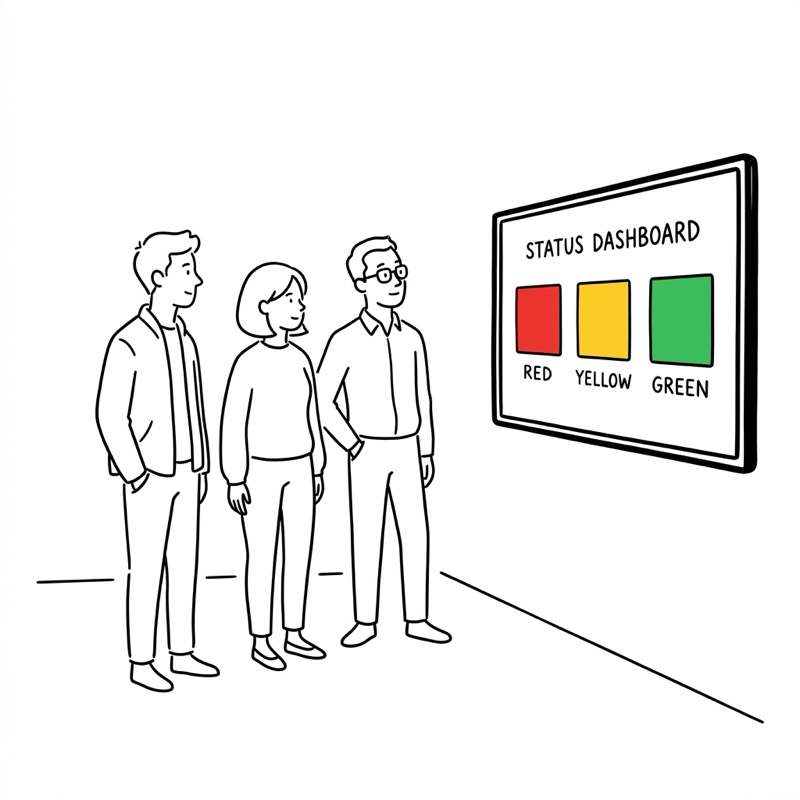
Stop forcing your team to read long status reports. Using visual dashboards creates a passive pulse that keeps everyone aligned without a single meeting.
Pseudo-async is worse than meetings. To win as a small team, you need a cultural shift in how you value time and focus.
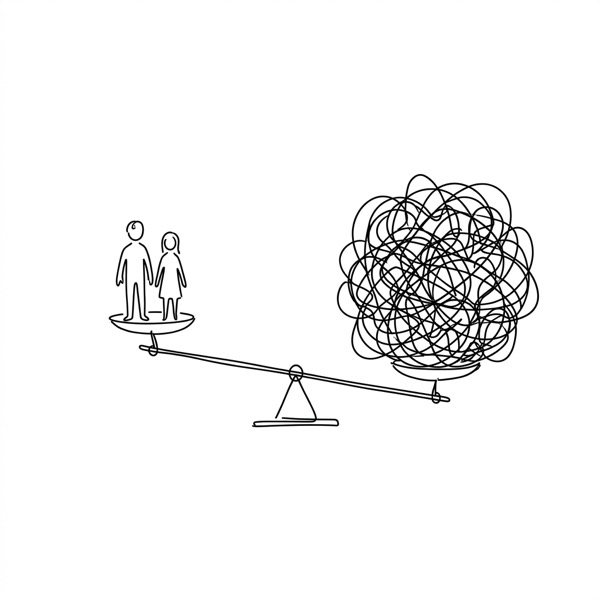
Most founders think hiring more people is the only way to grow. But for small teams, headcount growth often increases complexity faster than output, eating into margins.
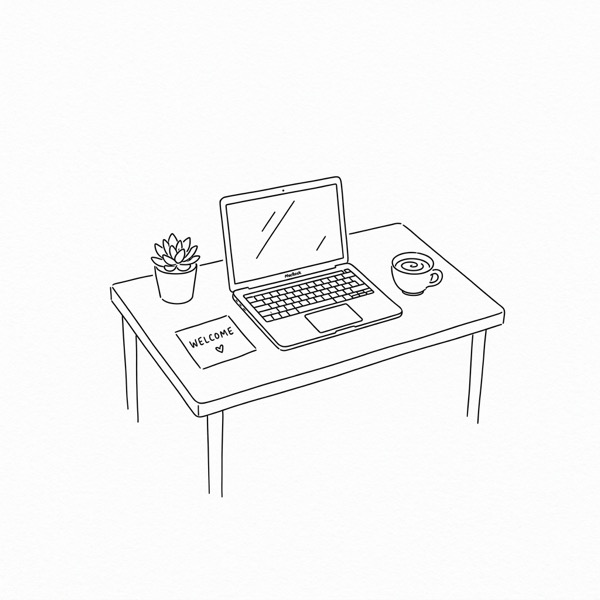
In a small team, the first week isn't about knowing where all the documents are. It's about knowing what's urgent and how fast to reply.
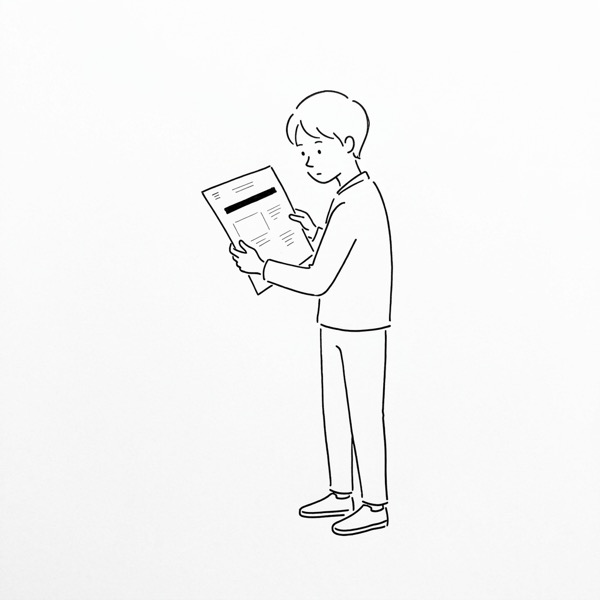
Before blaming your small team for ignoring the playbook, make sure the document does not look like a wall of text.
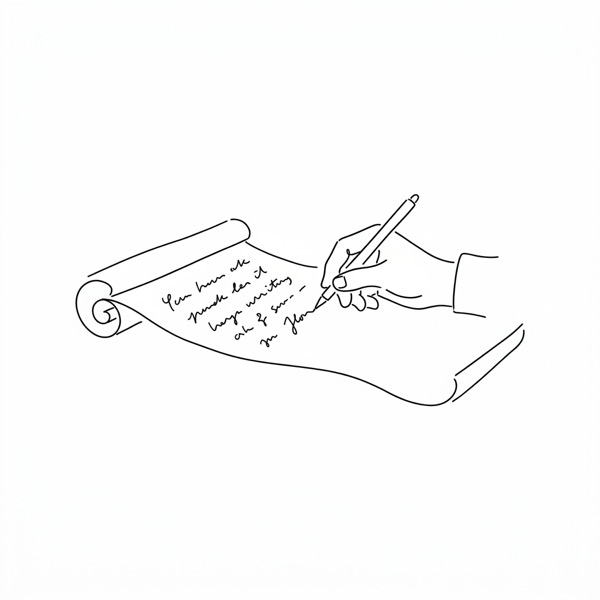
Stop wasting your team's most productive hours on kickoff meetings. Use a written kickoff document instead.
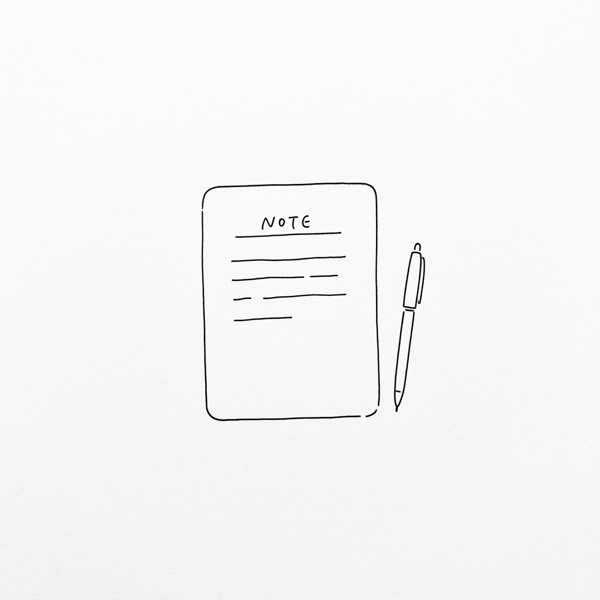
A short kickoff doc is often enough to align a small team before work starts, but only if it is concrete enough to guide execution.
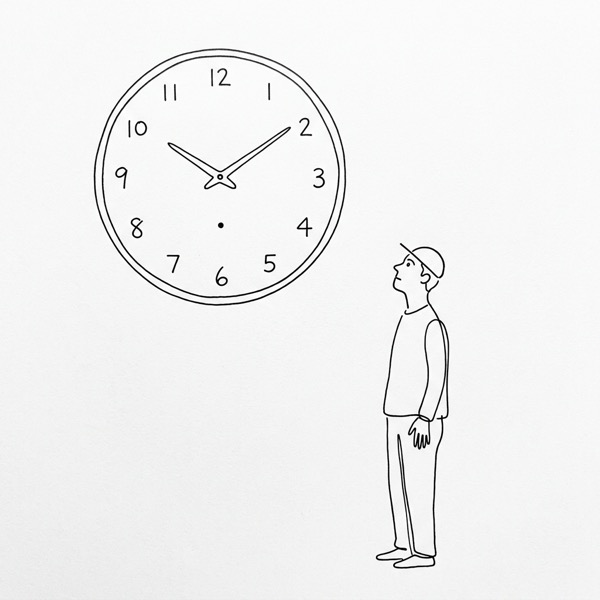
If everything can interrupt the team, nothing is truly urgent. Small teams need a narrow definition, one path, and a default wait-until-review rule.

Most priority chaos is not a planning failure. It is a failure to protect active work from new input, late decisions, and leader anxiety.
A written weekly update is often the cleanest status meeting alternative, but only if the format is concrete enough to trust.

Small teams still have an edge, but only if they stop copying the coordination habits of larger companies.
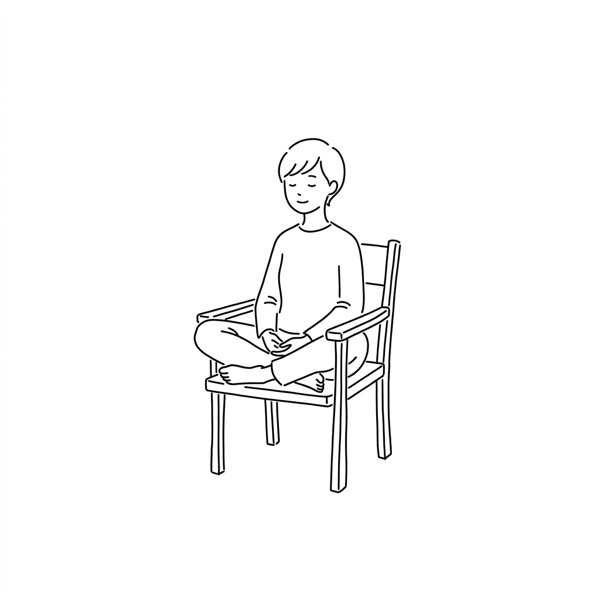
Calm is not the opposite of ambition. For a small team, it is usually the condition that makes real progress possible.
Meetings can be useful, but small teams lose far too much time when they confuse conversation with movement.
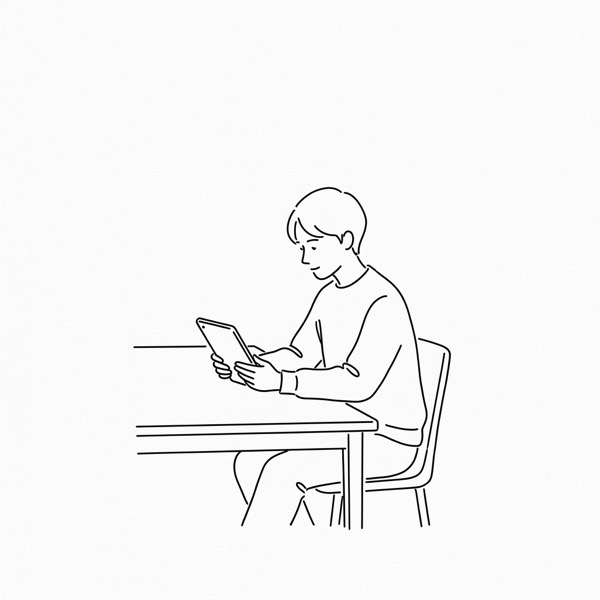
The best use of AI in a small team is not producing more content. It is reducing the amount of unnecessary work humans have to touch.
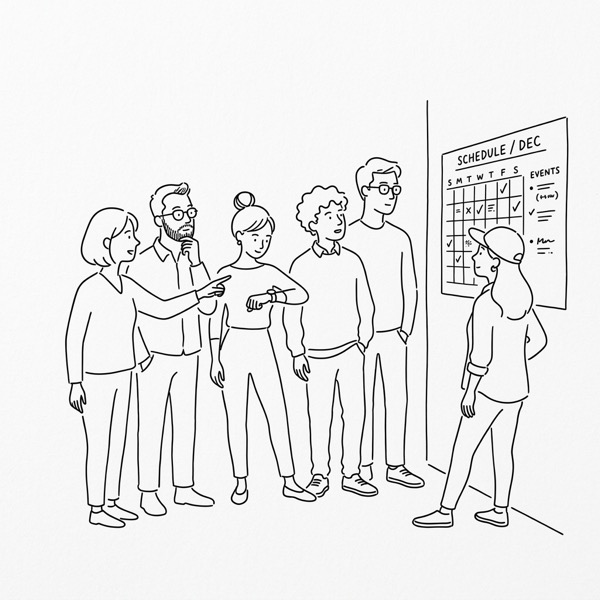
A small team does not need a complicated operating system. It needs a weekly rhythm that gives planning, focus, and review a clear place to happen.
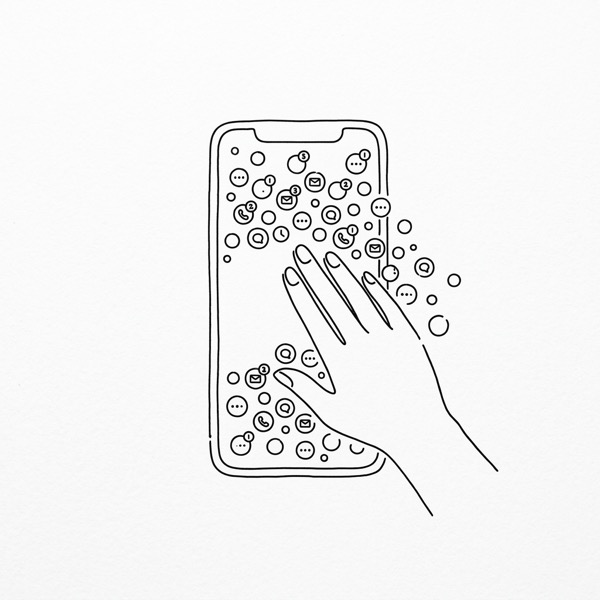
When Slack becomes the control tower of a small team, priorities become unstable and important context disappears into noise.
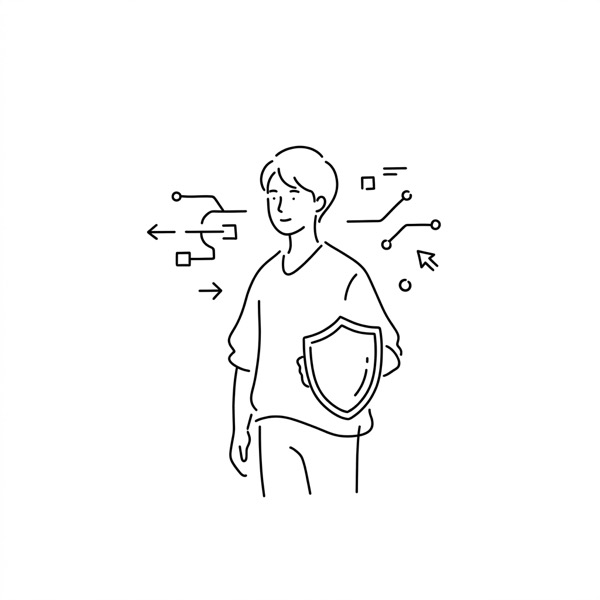
A good AI policy for a small team is short, specific, and focused on inputs, review, and decision boundaries.

The right tool stack for a small team is not the most modern one. It is the smallest one that supports clear work without creating subscription drag or workflow sprawl.