Does async communication mean avoiding real-time discussion?
No. It means reserving real-time discussion for moments that truly benefit from speed or nuance, while moving routine updates and decisions into durable writing.
Category
Practical async communication for small teams: replace status meetings and chat churn with written updates, decision docs, and clear documentation.
Async communication for small teams works when a team replaces recurring explanations and status meetings with writing that travels well.
These essays show how weekly written updates, kickoff docs, decision memos, and documentation habits reduce Slack churn without slowing important decisions.
Internal SLAs provide the certainty teams need to stop obsessive Slack checking and move back to deep, meaningful work.
Pseudo-async is worse than meetings. To win as a small team, you need a cultural shift in how you value time and focus.
Before blaming your small team for ignoring the playbook, make sure the document does not look like a wall of text.
No. It means reserving real-time discussion for moments that truly benefit from speed or nuance, while moving routine updates and decisions into durable writing.
Using chat as the main system of record instead of written updates and shared docs. When information lives only in messages, small teams spend energy re-asking, re-explaining, and guessing.

Internal SLAs provide the certainty teams need to stop obsessive Slack checking and move back to deep, meaningful work.
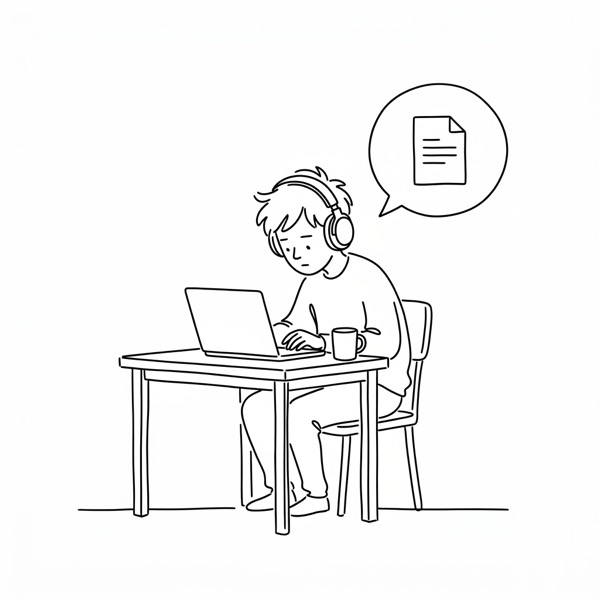
Pseudo-async is worse than meetings. To win as a small team, you need a cultural shift in how you value time and focus.

Before blaming your small team for ignoring the playbook, make sure the document does not look like a wall of text.

Stop wasting your team's most productive hours on kickoff meetings. Use a written kickoff document instead.
A short kickoff doc is often enough to align a small team before work starts, but only if it is concrete enough to guide execution.

If everything can interrupt the team, nothing is truly urgent. Small teams need a narrow definition, one path, and a default wait-until-review rule.
A written weekly update is often the cleanest status meeting alternative, but only if the format is concrete enough to trust.
Meetings can be useful, but small teams lose far too much time when they confuse conversation with movement.

When Slack becomes the control tower of a small team, priorities become unstable and important context disappears into noise.
A good AI policy for a small team is short, specific, and focused on inputs, review, and decision boundaries.