What does calm operations mean for a small team?
It means choosing a few clear operating rules so people can focus, respond at the right pace, and keep real emergencies visible instead of normalizing constant interruption.
Category
How to run a small team without constant urgency, interruptions, or communication sprawl.
Calm operations is about designing a week so a small team can finish meaningful work without treating every message like a fire drill.
This archive focuses on meeting rules, response expectations, weekly rhythms, and ways to define urgency before everything starts feeling urgent.
Pseudo-async is worse than meetings. To win as a small team, you need a cultural shift in how you value time and focus.
In a small team, the first week isn't about knowing where all the documents are. It's about knowing what's urgent and how fast to reply.
If everything can interrupt the team, nothing is truly urgent. Small teams need a narrow definition, one path, and a default wait-until-review rule.
It means choosing a few clear operating rules so people can focus, respond at the right pace, and keep real emergencies visible instead of normalizing constant interruption.
Usually when the same confusion keeps repeating: unclear urgency, too many meetings, inconsistent updates, or pressure to answer chat faster than work can be finished.
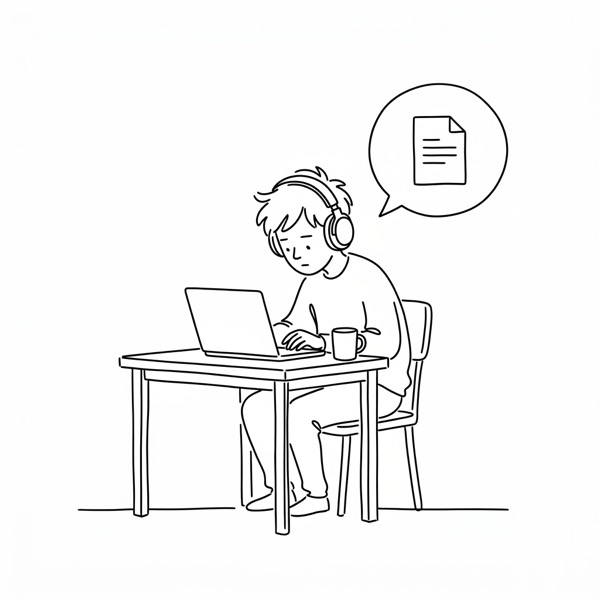
Pseudo-async is worse than meetings. To win as a small team, you need a cultural shift in how you value time and focus.
In a small team, the first week isn't about knowing where all the documents are. It's about knowing what's urgent and how fast to reply.

If everything can interrupt the team, nothing is truly urgent. Small teams need a narrow definition, one path, and a default wait-until-review rule.

Most priority chaos is not a planning failure. It is a failure to protect active work from new input, late decisions, and leader anxiety.
A written weekly update is often the cleanest status meeting alternative, but only if the format is concrete enough to trust.

Small teams still have an edge, but only if they stop copying the coordination habits of larger companies.
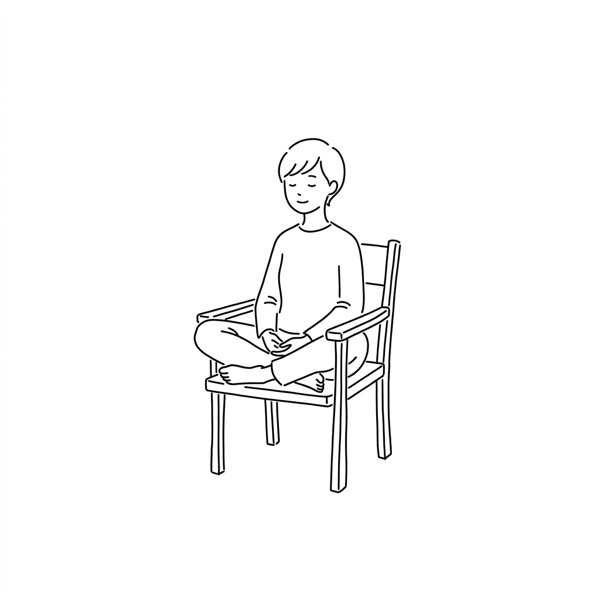
Calm is not the opposite of ambition. For a small team, it is usually the condition that makes real progress possible.

Meetings can be useful, but small teams lose far too much time when they confuse conversation with movement.
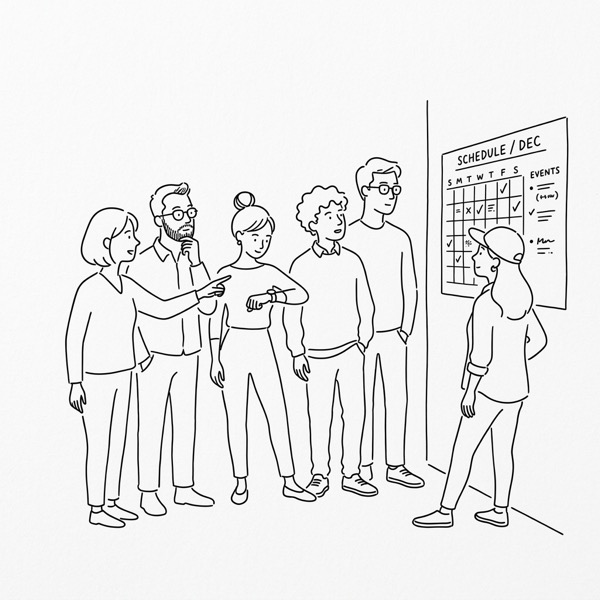
A small team does not need a complicated operating system. It needs a weekly rhythm that gives planning, focus, and review a clear place to happen.

When Slack becomes the control tower of a small team, priorities become unstable and important context disappears into noise.