Why is execution different for a small team?
Because each extra project taxes the same few people. Small teams need sharper sequencing and scope control because they do not have spare layers to absorb confusion.
Category
Practical systems for deciding, planning, and finishing meaningful work with a small team.
Small-team execution is the discipline of picking work carefully, keeping scope honest, and finishing what matters before opening five more tracks.
The articles here cover planning, prioritization, decision-making, and lightweight operating rules that help a small team ship without management theater.
Stop forcing your team to read long status reports. Using visual dashboards creates a passive pulse that keeps everyone aligned without a single meeting.
Before blaming your small team for ignoring the playbook, make sure the document does not look like a wall of text.
A short kickoff doc is often enough to align a small team before work starts, but only if it is concrete enough to guide execution.
Because each extra project taxes the same few people. Small teams need sharper sequencing and scope control because they do not have spare layers to absorb confusion.
Usually it is not effort. It is too many priorities, vague ownership, and work that keeps expanding after the team already said yes.
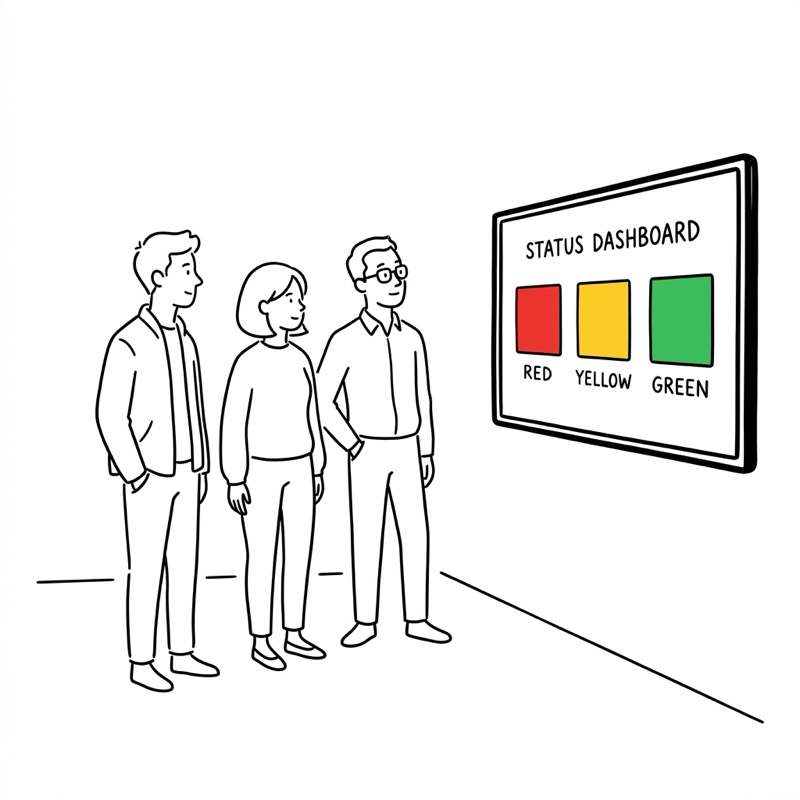
Stop forcing your team to read long status reports. Using visual dashboards creates a passive pulse that keeps everyone aligned without a single meeting.

Before blaming your small team for ignoring the playbook, make sure the document does not look like a wall of text.

A short kickoff doc is often enough to align a small team before work starts, but only if it is concrete enough to guide execution.

Most priority chaos is not a planning failure. It is a failure to protect active work from new input, late decisions, and leader anxiety.

Small teams still have an edge, but only if they stop copying the coordination habits of larger companies.
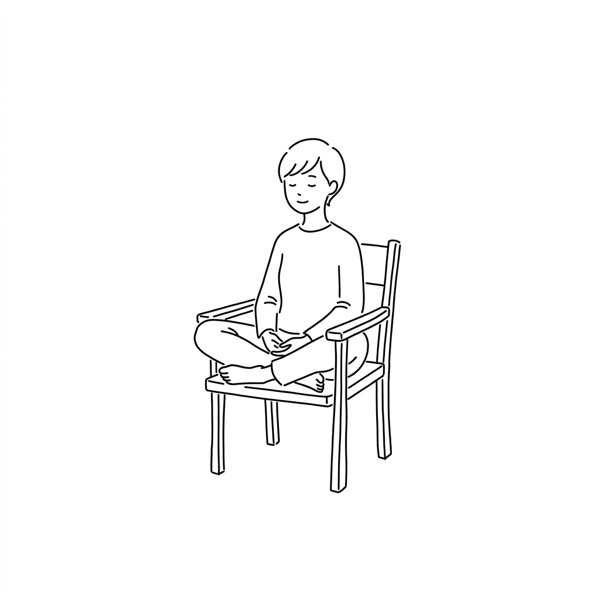
Calm is not the opposite of ambition. For a small team, it is usually the condition that makes real progress possible.
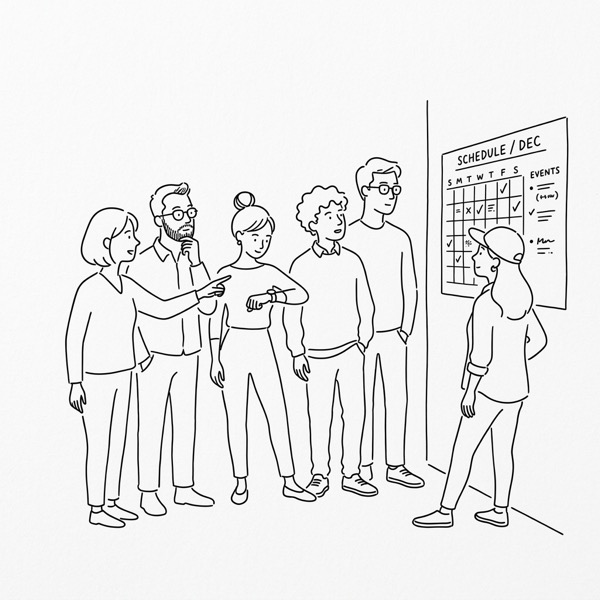
A small team does not need a complicated operating system. It needs a weekly rhythm that gives planning, focus, and review a clear place to happen.